
Water on the floor right now in 34606?
- Stop the water source immediately if you can do so safely using the local fixture valve or your main house shutoff.
- Stay away from submerged electrical equipment, outlets, power strips, and wet extension cords.
- Never use a standard household vacuum cleaner on standing water; household vacuums present severe shock hazards and lack water containment.
- Arrange professional water extraction before standing water migrates beneath baseboards, carpet padding, and adjacent drywall.
Local Water Extraction & Structural Drying in 34606
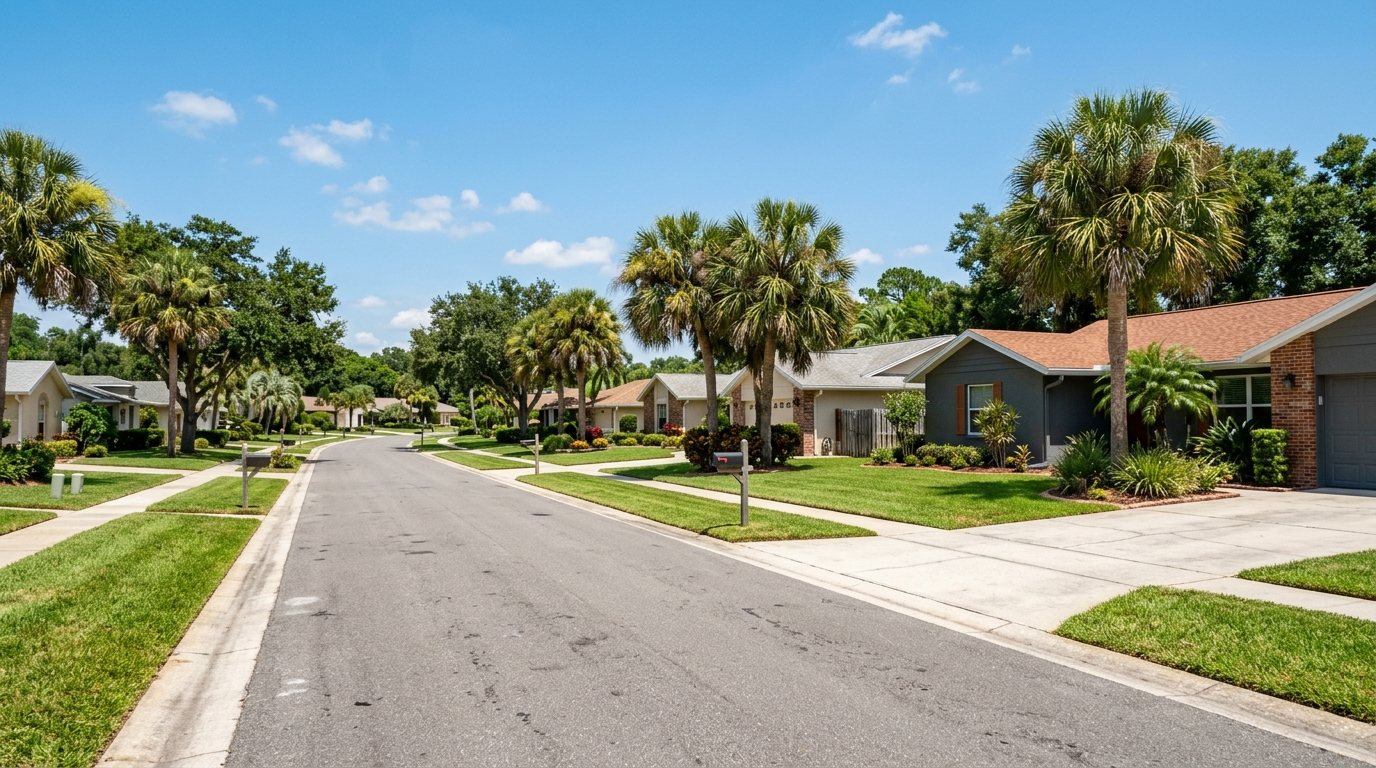
Properties located in the 34606 ZIP code span the western portion of Spring Hill, bordered by the Commercial Way (US-19) commercial corridor, Forest Oaks Boulevard, and Spring Hill Drive. This area features many of Spring Hill’s earliest established residential subdivisions alongside established communities like Timber Pines. Concrete slab foundations predominate, with building stock constructed primarily from the 1970s through the late 1990s. When sudden plumbing leaks or runoff occur, securing prompt water extraction in Spring Hill prevents moisture from migrating into perimeter drywall, bottom plates, and carpet cushions.
When an indoor water loss occurs in a 34606 home—whether from an aging copper supply line under a bathroom vanity, a failed water heater in an interior utility closet, or an overflowing toilet—the water quickly moves across concrete floors, soaking into drywall sill plates and penetrating beneath floor coverings. Prompt physical extraction combined with scientific structural drying is required to halt moisture migration and prevent long-term material breakdown.
Common Water Damage Incidents in 34606 Homes
Because many homes in 34606 were constructed several decades ago, plumbing infrastructure and mechanical systems face predictable wear cycles that lead to sudden water intrusion:
- Pressurized Supply-Line Failures: Braided flexible hoses connected to toilets, washing machines, and sink faucets degrade over time. When a supply line ruptures under municipal pressure, it can discharge several hundred gallons per hour until isolated.
- Water Heater Failures in Utility Closets: Many 34606 floor plans feature water heaters located in interior laundry closets or garages without direct gravity drains. Tank corrosion or relief valve discharges quickly inundate adjoining hallways and living spaces.
- Toilet Overflow and Drain Backups: Aging sewer laterals and fixture clogs cause sanitary water overflows. Contaminated black water requires specialized extraction, sanitization, and containment to protect indoor air quality.
- Kitchen & Laundry Appliance Leaks: Dishwasher inlet valves, refrigerator icemaker lines, and washing machine drain hoses frequently develop silent leaks that go unnoticed behind cabinetry until baseboards swell.
- Hidden Moisture Migration in Concrete Slabs: Water on concrete slabs spreads laterally through capillary action. Flooring that appears dry on the surface often traps high moisture underneath, degrading adhesives and creating subfloor dampness.
What to Do First When Water Enters Your 34606 Property
Taking structured action within the first hour of an incident significantly reduces secondary water damage:
- Isolate the Water Supply: If the leak originates from an appliance, toilet, or sink, shut off the individual fixture stop valve behind the unit. If the leak is hidden or pressurized within a wall, shut off the main house water valve, typically located near the front hose bib or in the garage.
- Prioritize Personal Safety: Switch off circuit breakers controlling the affected rooms from a dry location if water has reached baseboards or electrical outlets. Do not walk through pooled water in barefoot or flip-flops.
- Relocate Sensitive Belongings: Lift lightweight furniture, area rugs, electronics, paper documents, and bedding out of standing water to clean, dry rooms.
- Document the Incident for Insurance: Take wide photos and clear video of the standing water, the origin point, and all affected personal property before any items are discarded or disturbed.
- Initiate Professional Extraction: Contact a dedicated water extraction company immediately. Removing bulk liquid with high-volume truck-mounted or portable extraction units stops the water from continuing to wick into structural framing.
Water Extraction vs. Structural Drying in 34606
Homeowners often assume that once standing water is vacuumed from the floor, the emergency is over. In reality, water removal is only the initial stage of a two-phase recovery process:
Phase 1: Physical Water Extraction: High-powered submersible pumps and commercial extraction wands remove bulk standing water from tile, concrete, and carpet. Physical extraction is up to 500 times faster than evaporation at removing large volumes of liquid. Deep extraction wands compress carpet and underlayment, drawing out trapped water without requiring immediate destruction of salvageable coverings.
Phase 2: Scientific Structural Drying: Concrete slabs, drywall gypsum cores, baseboards, and wood wall framing absorb moisture rapidly. Even after standing water is gone, building materials remain saturated. Professional restoration teams deploy commercial low-grain refrigerant (LGR) dehumidifiers and high-velocity axial air movers. These units create a controlled drying vortex that evaporates bound moisture from building materials, venting humid air and pulling relative humidity down to safe equilibrium moisture content.
Where Moisture Hides in Western Spring Hill Homes
In Florida’s humid climate, hidden water pockets can persist for weeks if not mapped with precision instruments. In 34606 homes, water commonly migrates into:
- Wall Cavities Behind Baseboards: Drywall acts like a sponge, drawing water upward 12 to 24 inches above the floor level. The backside of the drywall remains dark and unventilated.
- Beneath Floating Laminate & Luxury Vinyl Plank (LVP): Modern interlocking flooring creates a tight vapor barrier. Water slips underneath through perimeter expansion gaps, becoming trapped between the impermeable backing and the concrete slab.
- Under Kitchen & Vanity Cabinets: Water flows under toe-kicks into unsealed cabinet voids. Saturated particle board rapidly delaminates if not dried with directed air-injection systems.
- Carpet Padding & Tack Strips: Even when carpet fibers feel slightly damp on top, the polyurethane foam padding beneath can hold gallons of water against the slab.
Related Water Damage Services for 34606
Depending on the source and scope of the loss, properties in 34606 benefit from coordinated restoration services:
- Emergency Water Extraction: Rapid removal of standing water from flooded rooms, hallways, and living areas.
- Structural Drying & Dehumidification: Controlled evaporation of moisture from concrete slabs, drywall, and structural framing.
- Moisture Detection & Thermal Imaging: Non-invasive mapping of hidden moisture paths behind walls and under floors.
- Water Heater Leak Cleanup: Rapid response to tank ruptures and utility closet flooding.
- Burst Pipe Water Damage: Extraction and structural stabilization following pressurized plumbing breaks.
Local Service Coverage Across 34606
Our water extraction and drying teams serve residential and commercial properties throughout Spring Hill 34606, including homes along Commercial Way (US-19), Forest Oaks Boulevard, Deltona Boulevard west, Spring Hill Drive, Applegate Drive, Waterfall Drive, and surrounding residential roads. We also provide dedicated cleanup response for properties in and around the Timber Pines community.
Frequently Asked Questions for 34606 Water Losses
How quickly can water damage spread in a 34606 concrete slab home?
Water spreads across concrete slabs immediately upon release. Within 1 to 2 hours, drywall baseboards begin wicking moisture upward. Within 24 to 48 hours in Florida’s warm climate, trapped moisture under flooring and inside dark wall cavities can initiate microbial growth and cause irreversible material warping.
Do I have to tear out my tile flooring after a flood?
Ceramic and porcelain tile installed directly over a concrete slab can frequently be saved if the water was clean and extracted promptly. Because tile itself is non-porous, drying focuses on moisture that entered through perimeter grout lines and baseboards. Floating floors like laminate or vinyl plank, however, frequently require removal if water is trapped beneath them.
Can you detect water behind my walls without cutting holes?
Yes. Restoration professionals utilize non-invasive digital moisture meters and FLIR infrared thermal imaging cameras. These tools measure the dielectric properties and temperature differentials of building materials, locating hidden moisture plumes behind drywall and under cabinets without making unnecessary exploratory cuts.
Does homeowner insurance cover sudden water extraction in 34606?
Most standard Florida homeowners insurance policies cover sudden and accidental water discharges, such as a burst supply line, ruptured water heater, or appliance overflow. Gradual, long-term seepage or deferred maintenance is commonly excluded. Review our guide on Florida homeowners insurance water damage for detailed claim documentation practices.
Need Water Removed From Your 34606 Home?
Our specialized extraction equipment removes standing water rapidly to protect your concrete slab, walls, and flooring from secondary damage.